

 Current position > Product detail
『Oxygen Flow Meter in Hospital: Central Facility Thorpe Tube Safety Systems』Related information(flow rotameter|digital flow meter|balo meter|hydraulic flow meter|volumetric meter|positive displacement meter|pitot tube flow meter|displacement meter|cfm meter|variable area flow meter|inline flow meter|differential pressure flow meter|calibrated flow meter|velocity meter|paddle wheel flow meter|oval gear flow meter|anemometer hvac|multiphase flow meter|doppler flow meter|thorpe tube flowmeter|heat flow meter)
Oxygen Flow Meter in Hospital Central Facility Thorpe Tube Safety Systems
Quick Answer: A Thorpe tube oxygen flow meter measures and controls oxygen flow from a hospital central pipeline to patient areas. Standard ward models cover 0 to 15 L/min with an accuracy of plus or minus 10 percent of full scale. Silver Automation Instruments supplies oxygen clean Thorpe tube flow meters for central facility tie in, zone valve boxes, and bedhead outlet installations.
Hospitals with central oxygen systems do not rely on cylinders at each bed. They run medical oxygen from a manifold room or liquid oxygen tank through copper or stainless steel pipes to ward outlets. The last device before the patient is often a Thorpe tube flow meter. It shows the actual flow rate and lets a nurse or therapist set the correct oxygen delivery. That simple function puts the Thorpe tube at the center of patient safety.
Thorpe Tube Flow Meter Working Range for Hospital Oxygen
A Thorpe tube uses a tapered tube and a ball float. Gas enters at the bottom. The ball rises as flow increases. The operator reads flow from the scale at the center or top of the ball depending on the model. A built-in needle valve controls flow. This design is simple and costs less than electronic mass flow meters. In most ward use the range is 0 to 15 L/min. Neonatal units often use 0 to 3 L/min or 0 to 5 L/min. High flow adult models can cover 0 to 30 L/min. Some ICU models go up to 0 to 70 L/min for special oxygen therapy devices.
The accuracy of a Thorpe tube is not as tight as a thermal mass flow meter. Most hospital Thorpe tube flow meters show plus or minus 10 percent of full scale. Some better units reach plus or minus 4 percent of full scale. This is acceptable for oxygen therapy because the clinician monitors the patient response and adjusts the flow. For central facility audits the biomedical team often checks the meter against a calibrated reference flow meter at 3, 5, 10, and 15 L/min.
Central Oxygen Facility Pressure and Connection Types
Central medical oxygen systems usually deliver gas at 3 to 6 bar to the ward outlet. A Thorpe tube flow meter for wall outlet use should have a working pressure of at least 0.6 MPa. Central oxygen pipes are often DN15 or DN22 copper tube in small and medium hospitals. Larger facilities may use DN28 or DN35 copper pipelines. The wall outlet steps down to a small threaded connection.
The inlet fitting matters more than the pressure in many projects. You need to know if the outlet uses 1/4 NPT, 3/8 NPT, DISS, Ohmeda, Chemetron, or a local quick connect standard. In Southeast Asia and the Middle East many hospitals use 1/4 NPT threads on oxygen wall outlets. In some Latin American facilities the DISS or Ohmeda style is common. Most engineers skip the connection check. Then the project stalls for two weeks while adapters are sourced. A procurement error on connection type can stop an entire ward renovation.
Silver Automation Instruments supplies Thorpe tube flow meters with chrome plated brass bodies, polycarbonate tubes, and 316 stainless steel internals for central oxygen systems. Last year a hospital in Manila ordered 150 units of 0 to 15 L/min Thorpe tube flow meters with 1/4 NPT inlet and DISS outlet adapters. The project moved faster because the connection type was confirmed in the first inquiry. We also provide adapters for DISS and Ohmeda connections. Specify the exact connection when you send an inquiry. Send us your oxygen flow range in L/min, inlet pressure in bar, connection type, and quantity. That is the fastest way to get a correct quote.
Oxygen Clean and Safety Requirements for Central Systems
Oxygen service is not the same as compressed air service. Oil and grease can ignite in high pressure oxygen. A Thorpe tube flow meter for hospital central facilities should be oxygen clean and packaged sealed. The valve should be leak tight at 1.5 times the working pressure. Many facilities require a helium leak test or a nitrogen bubble test before installation. In practice a biomedical team will check for leaks with an approved leak detection fluid or an electronic g
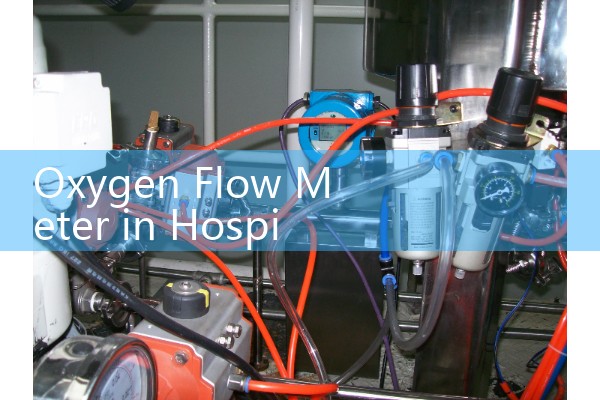
A central oxygen flow meter should also include a check valve to prevent reverse flow from a humidifier bottle or ventilator circuit. Some models have a sintered inlet filter to stop pipe debris from jamming the needle valve. We have seen many cases on customer sites where copper pipe scale from a new manifold room moved downstream and blocked a flow meter. A small inline filter solves that problem before installation.
How to Select a Hospital Oxygen Flow Meter
Start with the flow range. A standard adult ward uses 0 to 15 L/min. A neonatal ward uses 0 to 3 L/min or 0 to 5 L/min. An ICU high flow application may need 0 to 30 L/min. Then check the connection type. Then confirm the body material. Chrome plated brass is common. Stainless steel is preferred for coastal hospitals in humid regions because it resists corrosion better. Polycarbonate tube covers protect the glass tube from impact.
For central facility installations you may need a flow meter with a pressure compensated design. A compensated Thorpe tube maintains the correct flow reading when a humidifier bottle is attached. Non compensated meters can read high or low when downstream resistance changes. Ask your biomedical engineer whether the wall outlet locations need compensated or non compensated units. The price difference is small but the clinical effect can be large.
Common Problems on Thorpe Tube Flow Meters
Ball float sticking is the most common complaint. It usually comes from oil residue, dust, or copper oxide particles. The fix is not to lubricate the tube. The fix is to replace the inlet filter and clean the tube with an oxygen compatible solvent. Never use oil on a Thorpe tube flow meter. A cracked polycarbonate tube is another issue. It happens when the meter is dropped or when a heavy hose hangs from the outlet. Use a hose support clip at the bedhead to reduce side load.
Leakage at the needle valve stem often comes from a damaged O ring. Specify oxygen compatible O rings such as EPDM or Viton. A local maintenance team can replace the O ring but the device should be cleaned and leak tested after repair. For large central facility projects the specification should require a test certificate for each batch. That certificate records the leak test pressure, oxygen clean status, and flow calibration points.
Frequently Asked Questions
What flow range is typical for a hospital Thorpe tube oxygen flow meter?
Most adult ward models use a 0 to 15 L/min range. Neonatal units often use 0 to 3 L/min or 0 to 5 L/min. ICUs may use 0 to 30 L/min.
Can I use an industrial oxygen flow meter in a hospital central oxygen system?
Only if the device is oxygen clean and the connection matches the medical outlet. Many industrial oxygen flow meters are not designed for patient breathing circuits. Confirm accuracy, wetted materials, and leak tightness before use.
What connection standard should I specify for a central oxygen outlet?
Check the outlet at your hospital. Common standards include 1/4 NPT, 3/8 NPT, DISS, Ohmeda, and Chemetron. In Southeast Asia and the Middle East 1/4 NPT is frequent. In Latin America DISS and Ohmeda appear often.
How do you clean a Thorpe tube flow meter for oxygen service?
Use only oxygen compatible cleaning agents. Do not use oil or grease. Many facilities use a degreasing bath followed by drying and a leak test with nitrogen. The unit should be packaged sealed before installation.
What information do you need for a hospital oxygen flow meter quote?
Send us the flow range in L/min, inlet pressure in bar, connection type, body material, and quantity. Also note if you need a pressure compensated Thorpe tube or a test certificate for the central facility.
Contact Silver Automation Instruments for hospital oxygen flow meter pricing and batch supply. Tel: +86-25-68650347. WhatsApp: +86-25-52155837. WeChat: +86 15365082610. You can visit flow-meter.com.au for more instruments.