
 About Us
Argon Flow Gauges and Nitrogen Flow Meters for Purging Gas Management and Leak Detection
Quick Answer: For most purge gas and leak detection jobs, use a thermal mass flow meter or a purge flow gauge with a needle valve. The common ranges are 0 to 10 L/min, 0 to 20 L/min, 0 to 50 L/min, and 0 to 100 L/min. Send your gas type, pressure, temperature, pipe size, and flow range to Silver Instruments for a fixed model and price.
This page covers field notes from Silver Automation Instruments. We supply Argon Flow Gauges and Nitrogen Flow Meters to plants in Southeast Asia, Oceania, Latin America, and the Middle East. Most inquiries come from welding teams, food packaging lines, chemical plants, and oil and gas maintenance groups.
Why Purge Gas Measurement Matters on Site
Purging gas removes oxygen, moisture, or process vapors from a pipe or vessel. Argon and nitrogen are common because they are inert. But if you do not measure the purge flow, you cannot prove that purging is complete. You also cannot control gas consumption. We have seen customer sites in Vietnam and Malaysia using a simple pressure gauge only. The result is often wasted gas or an unsafe shutdown.
Here is the thing. Flow measurement for purge gas is not only about safety. It is also about cost. A food packaging plant in Malaysia measured nitrogen use for modified atmosphere packaging. They found that a 0 to 30 L/min thermal mass flow meter reduced nitrogen consumption by 18 percent compared with an uncontrolled manual valve.
Argon Flow Gauges for Weld Purging and Tank Blanketing
Argon flow gauges are common for TIG and orbital welding. A typical request is a purge meter with a variable area tube, a needle valve, and a range of 0 to 10 L/min or 0 to 20 L/min. The process connection is usually 1/4 inch or 1/2 inch NPT. Wetted parts in 316L stainless steel work for clean argon service. Maximum pressure is often 10 bar, and maximum temperature is 65 °C.
Most engineers skip the totalizer for weld purging. They need a clear local reading and a stable needle valve. In projects with documentation, a 4-20 mA output and HART digital signal help record the actual purge flow. A paperless recorder can log the flow with time and date. This matters for audit trails in oil and gas fabrication.
Nitrogen Flow Meters for Leak Detection and Inerting
Nitrogen leak detection often works like this. The system is pressurized with nitrogen and sealed. A flow meter in the makeup line shows when nitrogen continues to enter the system. So the flow meter should have enough turndown to show changes under 1 L/min on small vessels and pipework. A small steady flow means there is a leak or a relief valve is passing. A larger flow means a clamp or gasket may be open.
Last year a customer in Vietnam asked us for a nitrogen flow meter to check leakage on a heat exchanger. They needed 0 to 20 L/min with a totalizer. The meter showed an intermittent leak that pressure decay testing alone could not see.
For inerting, nitrogen flow meters are used to blanket storage tanks, reactors, and centrifuge systems. The typical range is 0 to 50 L/min for small tanks and 0 to 100 L/min for larger tanks. In the Middle East, oil and gas customers often specify ATEX Zone 1 or Zone 2 enclosures for these meters. The output is normally 4-20 mA HART to the DCS or PLC.
Recommended Instrument Types
Thermal mass flow meters fit most low flow gas applications. They measure mass flow directly, they have no moving parts, and they handle argon and nitrogen with a gas-specific calibration. A typical model covers 0 to 5 L/min, 0 to 10 L/min, 0 to 20 L/min, and 0 to 50 L/min. Accuracy is around 1.0 percent of full scale, and the response time is under 1 second.
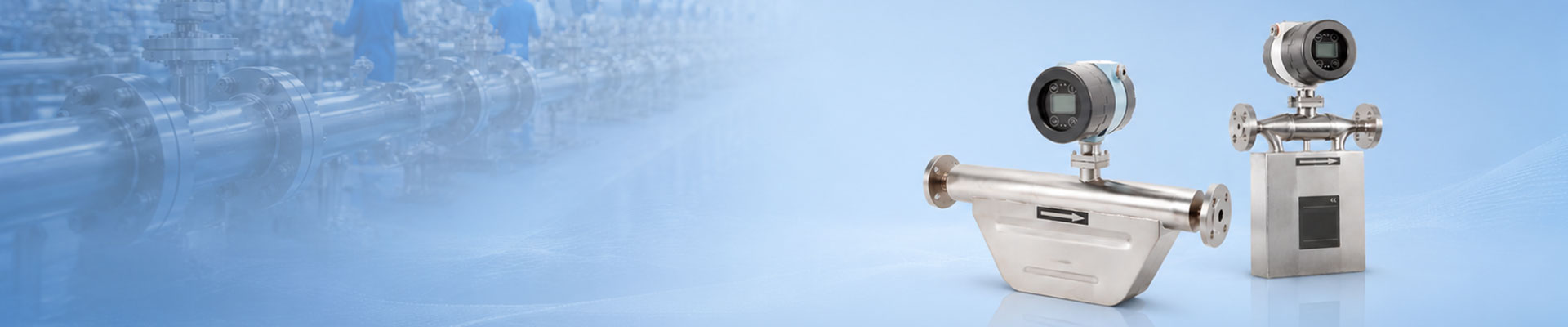
A variable area purge flow gauge is the lower cost option. It is simple to install and read. It is not for custody transfer, but it is enough for weld purging and local inerting checks. A Coriolis mass flow meter is a better fit when the application needs high accuracy or the line size is above DN25. The price is higher, and the installation needs proper support.
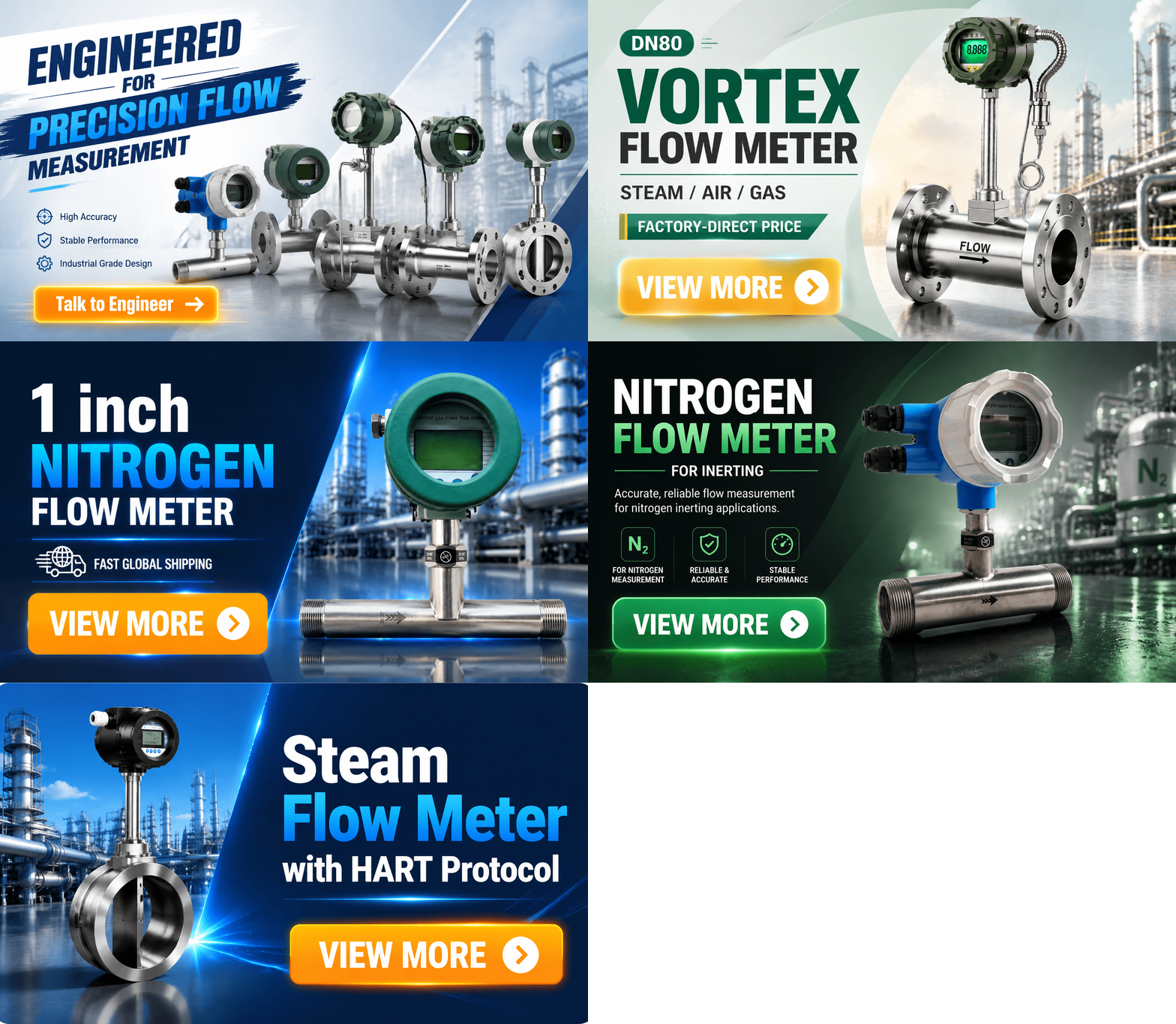
For nitrogen lines above DN50, a vortex flow meter with pressure and temperature compensation is common. It works for clean gas and gives a stable reading at higher velocities. Silver Instruments supplies thermal mass, Coriolis, and vortex meters plus pressure transmitters and paperless recorders.
Typical Parameters We See on Site
Field requests often include these values. Gas: argon or nitrogen. Line size: DN15, 1/4 inch, 1/2 inch, or DN25. Flow range: 0 to 10 L/min, 0 to 20 L/min, 0 to 30 L/min, 0 to 50 L/min, or 0 to 100 L/min. Pressure: 1 to 6 bar for purging, up to 10 bar for tank blanketing. Temperature: 20 to 65 °C. Output: 4-20 mA HART, pulse, or local display only.
Because these services are gas, do not use electromagnetic or turbine meters unless the gas is dry and the pressure is stable. We normally recommend a thermal mass meter for low flow and a Coriolis or vortex meter for higher mass flow.
Installation Notes That Prevent Bad Readings
Install the flow meter after a pressure regulator and before the purge point. Avoid long straight pipe claims that do not match the actual plant. Thermal mass meters need a stable inlet pressure. If the pressure swings, use a pressure regulator upstream. For variable area gauges, mount them vertical. The float must move freely. We have seen many bad readings caused by dirt or thread seal tape entering the meter. Use a filter when the gas line is old or dirty.
How to Get a Fixed Quote
Send us your gas type, pressure (bar), temperature (°C), pipe size (DN), and flow range. We answer with the right model, process connection, output, and price. A typical small flow meter for argon purging is in the range of 0 to 20 L/min with local display. A nitrogen leak detection meter with 4-20 mA HART output is usually quoted with a 10 bar pressure rating and a 1/2 inch NPT connection.
Silver Instruments supports industrial customers in Southeast Asia, Oceania, Latin America, the Middle East, and Africa. Contact us at Tel: +86-25-68650347. WhatsApp: +86-25-52155837. WeChat: +86 15365082610. For more product data, visit flow-meter.com.au.
FAQ
Question: What flow meter is best for argon purging?
Answer: For most weld purging jobs, a variable area purge meter with a needle valve and a 0 to 10 L/min or 0 to 20 L/min range is enough. If you need an electrical output, use a thermal mass flow meter.
Question: Can I use the same meter for argon and nitrogen?
Answer: Yes. A thermal mass flow meter can be calibrated for argon or nitrogen. The reading is gas-specific, so tell us the actual gas in the quote request.
Question: What output do I need for DCS or PLC integration?
Answer: 4-20 mA HART is the standard. Some plants also want pulse output for total flow. Silver Instruments can provide both in one transmitter.
Question: What pressure and temperature limits apply?
Answer: Purge meters commonly handle up to 10 bar and 65 °C. For higher pressure or temperature, specify the values. We will check the material and sensor rating.
Question: How do I request a quote from Silver Instruments?
Answer: Send your gas type, pressure (bar), temperature (°C), pipe size (DN), and flow range. Our team replies with model selection, lead time, and price.
 Contact Us
 Related AD